Landscaping in Forest Hill
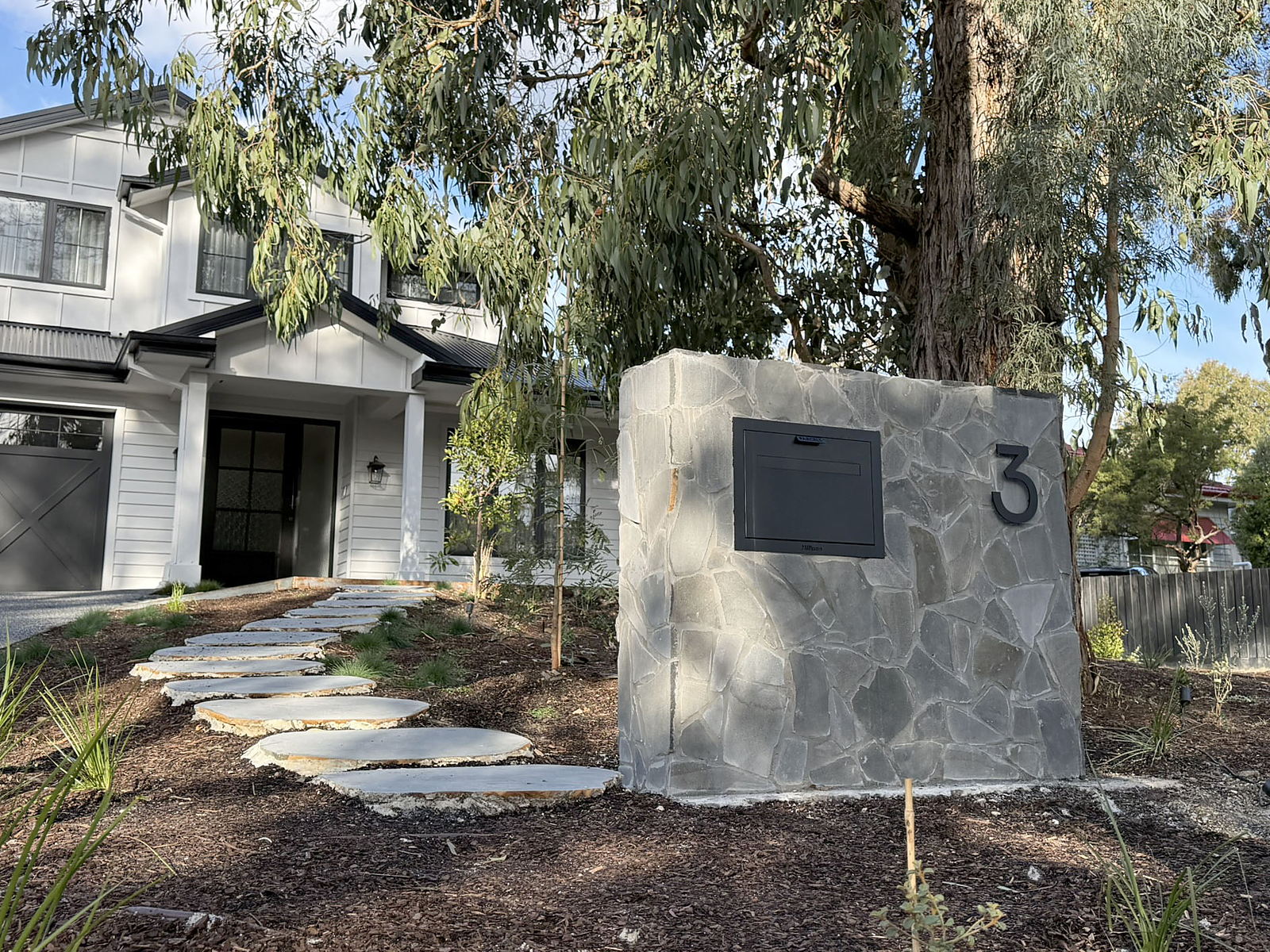
BMEL builds gardens across Forest Hill — decking and alfresco areas for the suburb's new builds, drainage and regrading on heavy clay sites, boundary screening where new two-storey neighbours have taken the privacy away, and full garden construction after a knock-down rebuild. With a building and engineering background, we start under the surface, where most landscaping problems in 3131 actually begin.
A recent project in Forest Hill
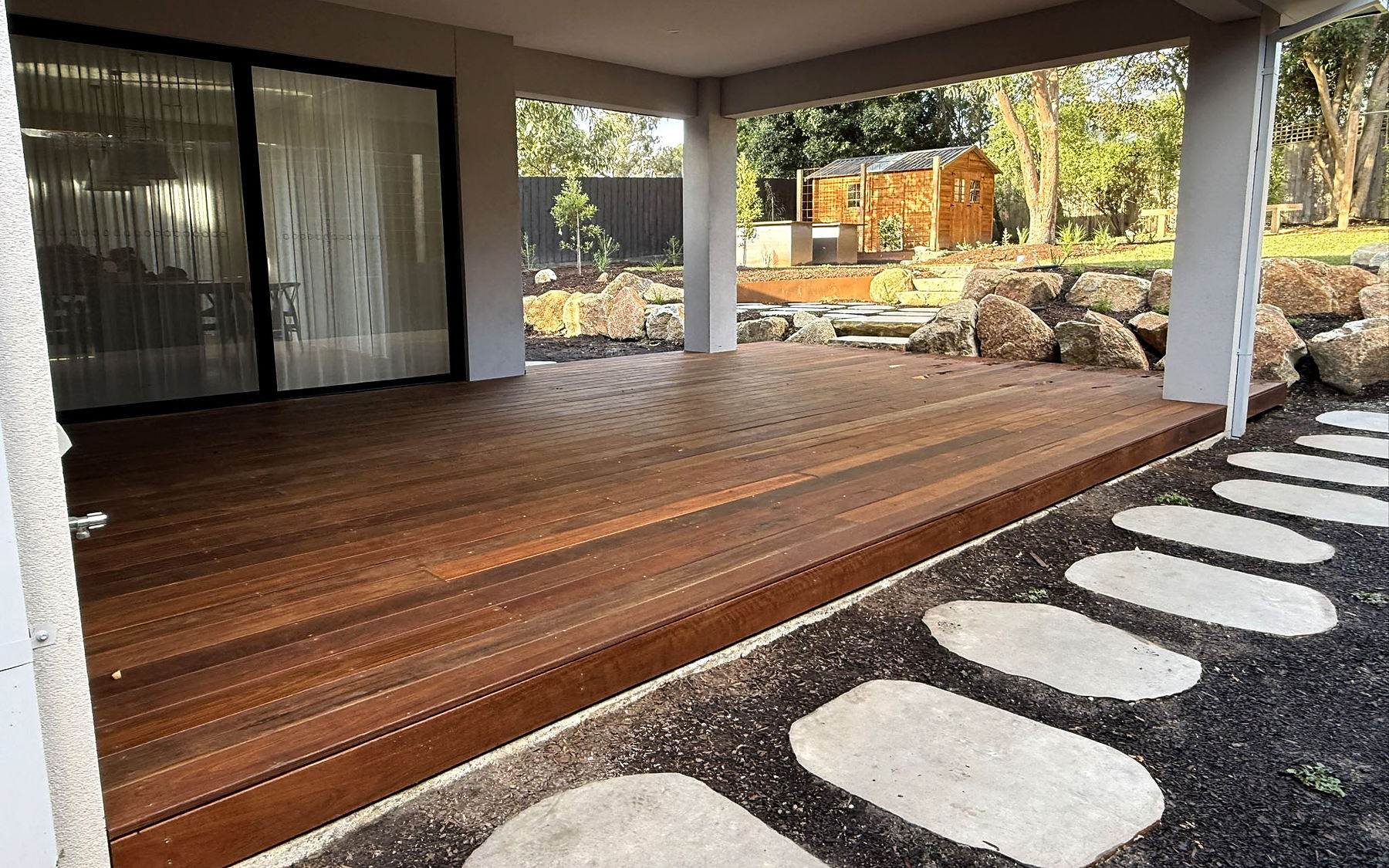
Three pieces of work on one Forest Hill property: a spotted gum deck along the alfresco with every board pre-coated in Cutek penetrating sealer before it went down, jasmine trellis screens lifting the privacy along the boundary fence, and a custom postbox clad in hand-cut bluestone crazy paving at the front. The deck & screens → · The bluestone postbox →
Forest Hill gardens start with the clay
Forest Hill sits in the City of Whitehorse, on the heavy reactive clay that runs through Melbourne's eastern suburbs. That single fact drives most of what a garden here needs. Clay holds water instead of letting it drain, so low points stay boggy for days after rain. It also swells and shrinks with moisture, which moves anything built on it — paving that was flat in winter tilts by the end of summer, and slabs and walls without adequate footings crack.
None of that is a reason to avoid building. It is a reason to build differently: grade the site so water has a route off it, install subsurface drainage where the fall is not enough on its own, compact and prepare a proper base under paving rather than laying straight onto clay, and take footings deep enough to sit below the zone that moves. It is unglamorous work that no one sees, and it is the difference between a garden that still looks right in ten years and one that needs redoing in three.
The other Forest Hill constant is the tree canopy. The suburb kept a lot of its established eucalypts through decades of development, and they are protected. Working near them means respecting the root zone, choosing permeable or pier-supported structures rather than slabs where we can, and planting species that actually cope with dry shade and root competition instead of ones that will sulk for two years and die.
What people around here ask us to build
The jobs we see most in 3131, driven by the suburb's rebuild cycle, its clay and its close neighbours:
What we do here
Our work in and near Forest Hill
Decking, stone work and screening built in Forest Hill itself, and front garden work in neighbouring Blackburn.
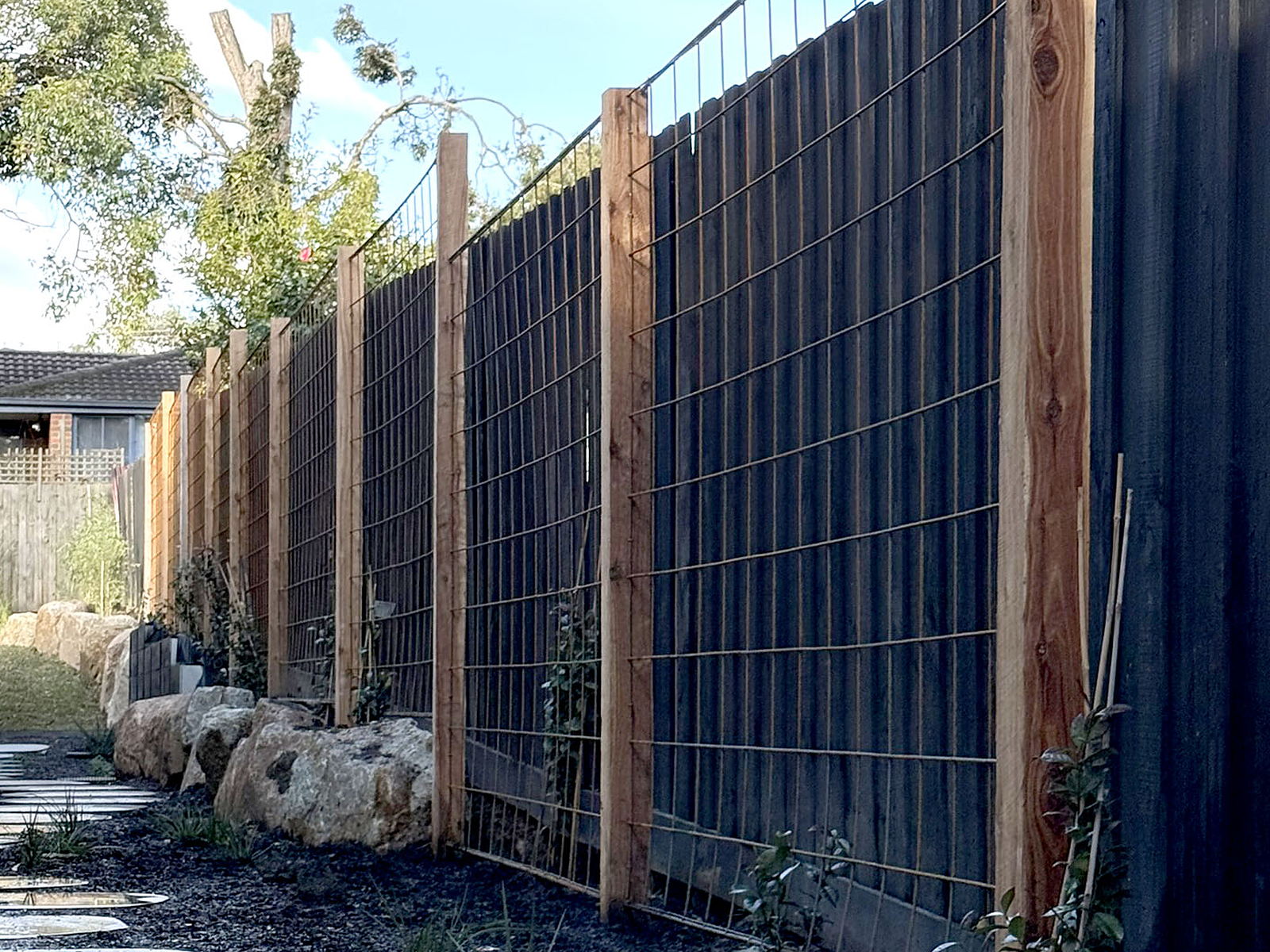
Jasmine Trellis Screens — Forest Hill. Hardwood posts and tensioned wire above the existing boundary fence, planted out to green up. View project →
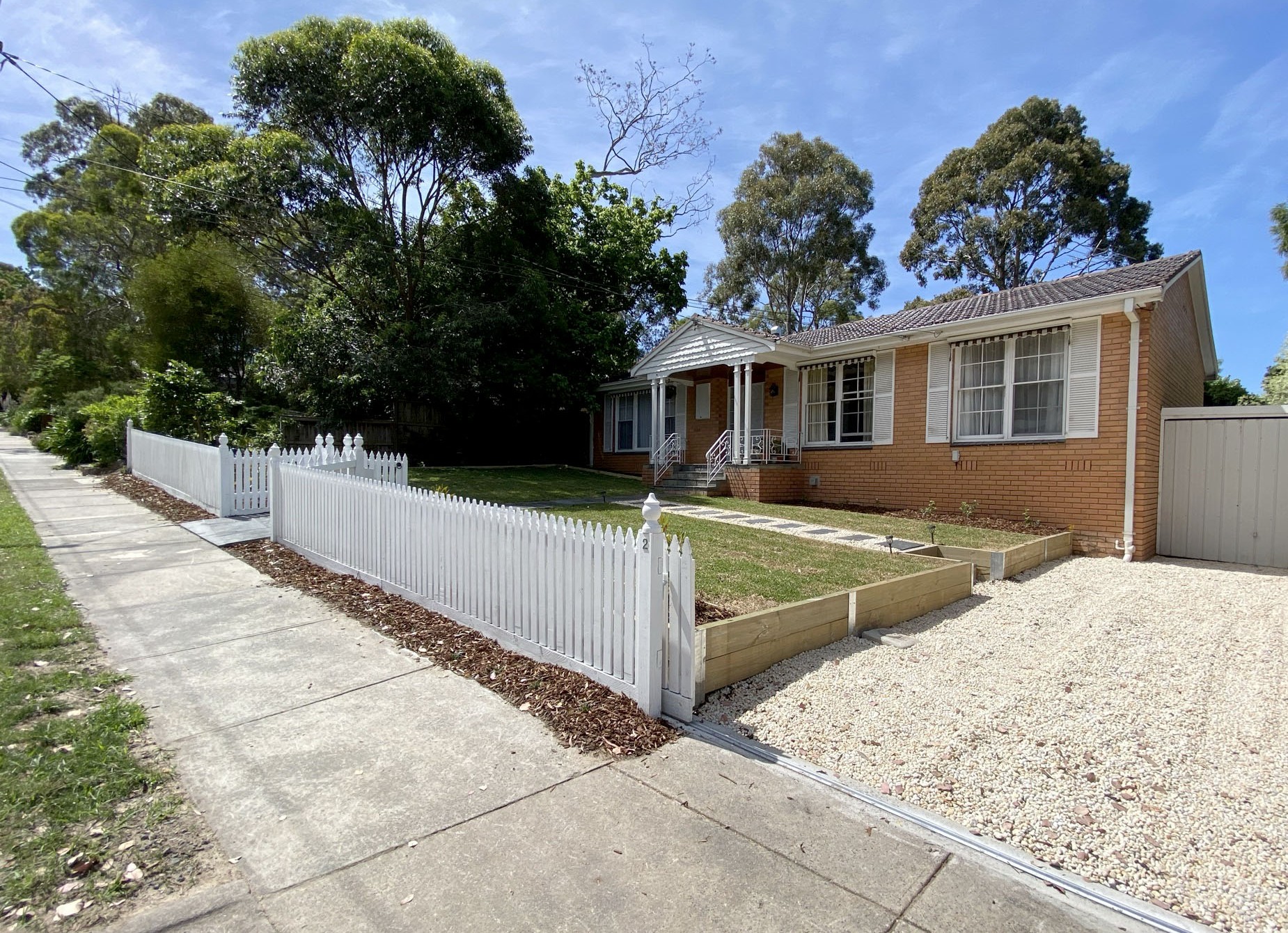
Front Garden & Picket Fence — Blackburn, next door to Forest Hill. Bluestone path, fencing and layered planting. View project →
"Byron's professionalism was reflected in his hard-working team. They went above and beyond everything we asked for — we didn't need to cover any of it DIY."
Forest Hill, between Blackburn and Vermont
Forest Hill sits roughly 18 kilometres east of the CBD in the City of Whitehorse, bounded by Canterbury Road to the north and Springvale Road to the west, with Blackburn and Nunawading above it, Vermont to the east and Burwood East and Vermont South below. The Forest Hill Chase shopping centre is the suburb's commercial heart, and the surrounding streets are a mix of original post-war brick-veneer homes on generous blocks and the newer builds, dual occupancies and townhouses that have steadily replaced them.
That mix is what shapes the landscaping work here. An original 1960s home on a 700-square-metre block usually has an established garden that needs renewal rather than replacement — mature trees worth keeping, and drainage and paving that have had fifty years to fail. A new build on the same street arrives with a bare, compacted site and an alfresco slab, needing a garden built from nothing. We do both, and the starting point is the same: work out where the water goes before deciding where anything else sits.
Questions we get asked
Nearby suburbs
We also landscape the surrounding suburbs. Explore nearby guides:
Ready to talk about your Forest Hill garden?
Free on-site consultation. We'll walk the site, work out where the water goes, and give you an honest, itemised quote.
Get a Free Quote →0422 490 962